Blood Alcohol Calculator (BAC)
Important Notice
This calculator provides estimates only. Actual BAC can vary based on many factors including metabolism, medications, and food consumption. Never drink and drive, regardless of calculated BAC.
BAC Levels
0.02-0.03%
Mild mood changes
0.05-0.06%
Impaired judgment
0.08%
Legal limit in most countries
0.10%+
Significant impairment
What is BAC (Blood Alcohol Content)?
When I first launched this online BAC Calculator, my goal was simple: to provide a reliable tool that helps people understand how alcohol interacts with their unique physiology. Understanding your Blood Alcohol Content (BAC) is about more than just numbers; it is about recognizing the concentration of alcohol in your system and how it dictates your safety, your health, and your legal standing.
In the United States, the legal landscape surrounding alcohol is strict. Whether you call it a drunk calc, a drink drive calculator, or a baccalc, the underlying science remains the same. BAC represents the weight of ethanol in a specific volume of blood, specifically, grams of alcohol per 100 mL of blood.
Why Accuracy Matters
Many users ask me, "How many shots to get tipsy?" or search for a "how many shots to get tipsy calculator." While those are common questions, the answer is never universal. An individual's BAC is a moving target influenced by everything from your first drink to the amount of food you consumed hours before. If you are facing DUI charges or simply trying to stay safe, relying on a professional grade Blood Alcohol Content Calculator is the first step toward responsible decision making.
The Science of Sobriety: The Widmark Formula
Our calculator is built on the Widmark Formula, the forensic standard for measuring alcohol distribution. You can explore the peer-reviewed studies and medical journals behind our math in our Scientific Research Library. Developed by Swedish physician Erik M.P. Widmark, this is the gold standard for forensic alcohol equations. It isn't just a simple "drinks per hour" calculation; it factors in your body composition and a specific distribution ratio (often referred to as the 'r' factor).
The formula looks like this:
BAC = (Alcohol consumed in grams / (Body weight in grams × r)) × 100 - (Elimination rate × Time in hours)
Breaking Down the Variables
Male / Female Differences:
Gender plays a massive role in alcohol metabolism. On average, a Male has a higher percentage of water in their body, while a Female may have a higher percentage of Body Fat. Since alcohol is water-soluble and does not distribute well into fat, women often experience a higher BAC than men of the same weight after consuming the same number of drinks.
The Distribution Ratio:
This constant accounts for the way alcohol spreads through the body. Because muscle holds more water than fat, your unique body composition dictates how concentrated the alcohol becomes in your bloodstream.
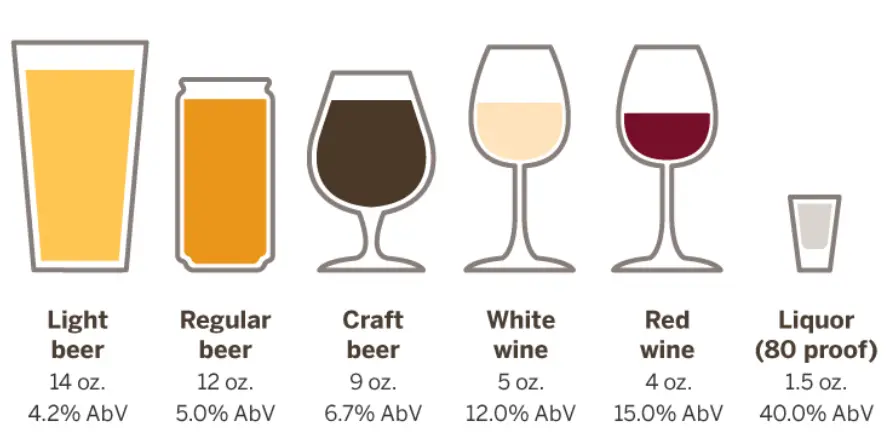
Defining a "Standard Drink" and Serving Sizes
One of the biggest mistakes I see people make is miscounting the number of standard drinks they've had. A "drink" isn't just a container; it's a specific measurement of pure ethanol. When using an Alcohol Calorie Calculator or a BAC tool, you must be precise about your Serving Size.
| Beverage Type | Standard Serving Size | Typical Alcohol Content (ABV) |
|---|---|---|
| Regular Beer | 12 oz | 5% |
| Malt Liquor | 8-9 oz | 7% |
| Table Wines | 5 oz | 12% |
| Distilled Spirits (80 Proof) | 1.5 oz | 40% |
Hidden Risks in Modern Glassware
It is easy to lose track when you are using oversized wine glasses or drinking craft beers with high ABV. An alcoholic drink served at a restaurant might actually contain two or even three "standard drinks." This is why your peak BAC can often climb much higher than you anticipated. Whether you are using a celtic bac calculator or the celtic kane bac method, precision in volume is the only way to get an estimate that reflects reality.
Factors That Influence Alcohol Absorption and Metabolism
Factors such as Body Fat, metabolism, and the amount of food in your stomach can drastically change your results. For answers to common questions about how different drinks and medications affect your level, browse our BAC Frequently Asked Questions. In my experience, most people underestimate how much their physical state at the time of drinking affects their individual's BAC. To understand exactly how these variables affect your detection window, read my full guide on How Long Does Alcohol Stay in Your System?
The Role of Food and Hydration
The amount of food in your stomach is perhaps the most significant variable in alcohol absorption. If you drink on an empty stomach, the alcohol passes quickly into the small intestine, where it is absorbed rapidly into the bloodstream. Conversely, a meal rich in proteins and fats acts as a buffer, slowing down the process and potentially leading to a lower BAC over time.
| Condition | pBAC | pBACrng | pBAC %R | pBAC %R/cal |
|---|---|---|---|---|
| No Food | 0.064 | 0.039-0.086 | NA | NA |
| Snack Mix | 0.047 | 0.030-0.059 | 24.7 | 0.012 |
| SOBAR | 0.031 | 0.003-0.044 | 50.4 | 0.024 |
| Full Meal | 0.020 | 0.010-0.041 | 67.7 | 0.011 |
Health Issues and Medications
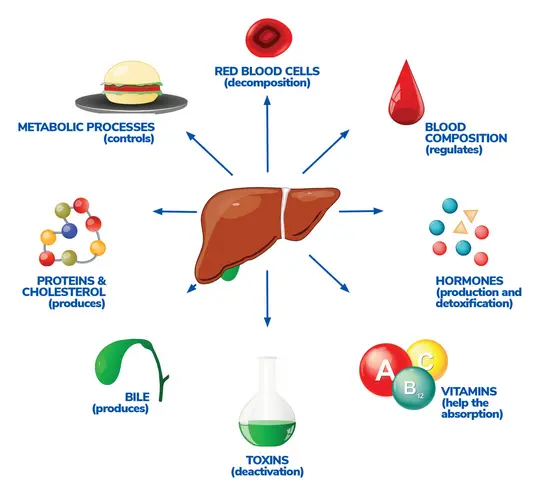
Your liver does about 90% of the work in eliminating alcohol. Any underlying health issues, such as fatty liver disease or hepatitis, can significantly slow down your elimination rates. Furthermore, certain medications can interfere with how your body processes an alcoholic drink, sometimes leading to dangerous levels of alcohol intoxication even after only a few drinks.
The Physical Effects of Rising BAC Levels
As the concentration of alcohol in your blood increases, the impact on your central nervous system becomes more profound. It is a progressive decline that affects your brain long before you "feel" drunk.
0.02% - 0.04%:
Minor motor impairment and a slight relaxation of mood.
0.05% - 0.07%:
Noticeable loss of balance, lowered inhibitions, and a significant reduction in reaction time.
0.08%:
While 0.08% is the standard limit across the United States, every jurisdiction has different rules regarding implied consent and zero tolerance. If you are looking for specific penalties or statutes, check our comprehensive State-by-State DUI Law Directory. At this point, motor control is poorly coordinated, and judgment is significantly clouded.
0.10% and above:
Clear signs of alcohol intoxication, including slurred speech and severe impairment of vision and coordination.
| BAC Level | Mental/Physical State | Common Effects & Symptoms |
|---|---|---|
| 0.02% – 0.03% | Mild Relaxation | Slight mood elevation; increased warmth; very minor motor impairment. |
| 0.04% – 0.06% | Relaxation & Euphoria | Minor impairment of reasoning and memory; lowered inhibitions; exaggerated emotions. |
| 0.07% – 0.09% | Legal Impairment | Significant loss of balance and speech; blurred vision; reaction time slowed. |
| 0.10% – 0.12% | Significant Intoxication | Severe motor impairment; lack of coordination; slurred speech; impaired judgment. |
| 0.13% – 0.15% | Gross Impairment | Blurred vision; severe loss of physical control; dysphoria (anxiety/restlessness) may begin. |
| 0.16% – 0.20% | Severe Intoxication | "Drunk" appearance; nausea; dizzy; blackouts possible; severely affected motor control. |
| 0.25% – 0.30% | Stupor | Near total loss of motor function; risk of choking on vomit; severely decreased heart rate. |
| 0.40% + | Danger Zone | Possible coma; respiratory failure; high risk of death due to alcohol intoxication. |
Legal Reality: DUI Charges and the Law
As the developer of this online BAC Calculator, I must emphasize that this tool is for educational purposes only and cannot serve as legal advice. If you are facing DUI charges, the specific laws of your state, for example, North Carolina, will dictate the severity of the consequences.
Zero Tolerance and Strict Limits
Many states have zero tolerance laws for drivers under the legal drinking age. For these individuals, any measurable person's BAC (often as low as 0.01% or 0.02%) can lead to an immediate license suspension. Even for adults, if you are involved in an accident, a blood test or a breathalyzer test administered by law enforcement will be the final word in court, regardless of what an online estimator suggested.
If you find yourself in legal trouble, I highly recommend contacting a qualified Law Firm for a free consultation. You can often find a contact form on legal aid websites to start this process. Remember, the cost of a ride-share is a fraction of the cost of a legal defense.
Debunking Common Myths About Sobering Up
In my years of managing this Blood Alcohol Content Calculator, I have heard every trick in the book from people trying to lower their BAC quickly. It's important to address these myths directly because relying on them can lead to dangerous situations and potential DUI charges.
The Truth About Cold Showers and Coffee
One of the most persistent myths is that cold showers or a cup of black coffee will sober you up. I want to be very clear: these methods may make you a "wide-awake drunk," but they do absolutely nothing to lower the concentration of alcohol in your blood. Alcohol metabolism is a biological process handled by the liver; you cannot sweat it out, wash it off, or caffeine it away. Your elimination rates remain constant regardless of how many espressos you drink.
Why "Walking It Off" Doesn't Work
Exercise might increase your heart rate, but it doesn't significantly speed up alcohol absorption or metabolism. In fact, if you are already experiencing motor impairment or a loss of balance, trying to exercise can lead to physical injury. The only thing that lowers a person's BAC is time.
Your Sobriety Timeline and Peak BAC
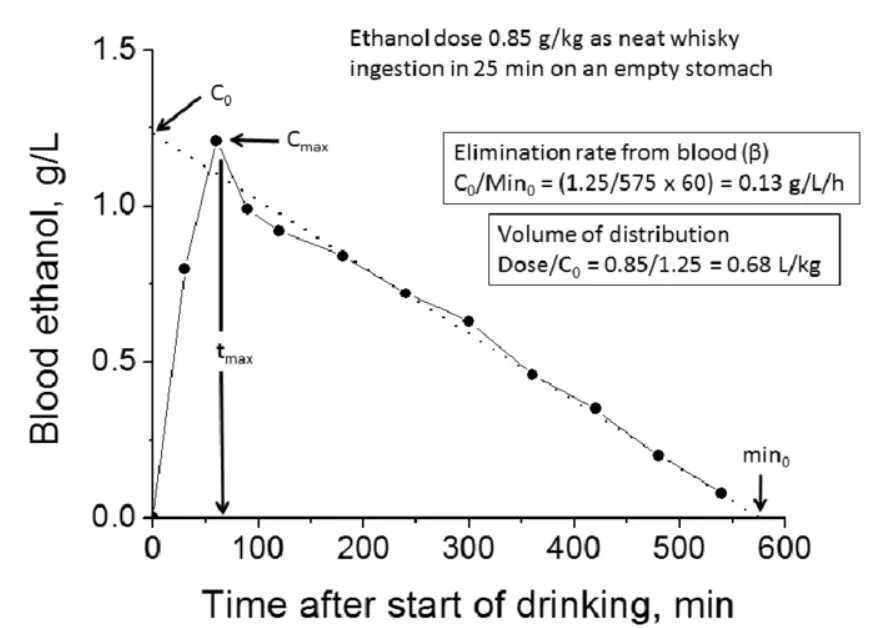
Understanding your peak BAC is vital for safety. Many people assume they are at their "drunkest" while they are still sitting at the bar. However, alcohol takes time to enter the bloodstream. Depending on the amount of food in your system, your BAC can continue to rise for 30 to 90 minutes after your last drink.
Using the Sobriety Timeline
When I designed the online BAC Calculator, I made sure to include a sobriety timeline. This feature helps you estimate how long it will take for your body to return to a 0.00% level. On average, the body eliminates alcohol at a rate of about 0.015% per hour.
Wait times for common levels:
- At 0.08%: It typically takes over 5 hours to reach complete sobriety.
- At 0.15%: You may need more than 10 hours before the alcohol is fully cleared from your system.
Rise Phase (0-1.5 hrs)
Alcohol absorption into bloodstream. BAC continues rising even after stopping drinking.
Peak BAC (~1.5 hrs)
Maximum blood alcohol concentration reached 30-90 minutes after last drink.
Decline Phase (1.5+ hrs)
Steady elimination at ~0.015% per hour. Only time reduces BAC.
Specialized Tools: Alcohol Calorie Calculator and Beyond
At baccalc.org, I believe in providing a holistic view of alcohol consumption. Beyond safety and legal limits, many of my users are interested in the health effects of drinking, which is why I've integrated features like the Alcohol Calorie Calculator.
Hidden Calories and Body Composition
A single alcoholic drink can contain hundreds of "empty" calories. For instance, Malt Liquor and heavy Table Wines are significantly more calorie-dense than standard light beers. If you are tracking your body composition or trying to reduce Body Fat, monitoring these liquid calories is essential. Excessive consumption doesn't just lead to a higher BAC; it can impact your long-term metabolic health and contribute to various health issues.
Serving Size Awareness
Whether you are pouring from wine glasses at home or ordering a "double" at a restaurant, the Serving Size is the most important metric. My tool allows you to input the exact number of drinks and their specific ABV (Alcohol by Volume), ensuring that the grams of alcohol are calculated correctly for your specific individual's BAC.
State-Specific Laws: A Focus on North Carolina and Beyond
While I provide a global tool, I often get specific questions about local regulations. In North Carolina, as in many other states, the legal system is unforgiving when it comes to alcohol-related offenses.
Navigating the Legal System
If you are pulled over, the officer will likely request a breathalyzer test or, in some cases, a blood test. These are the primary methods used to determine alcohol intoxication in a legal setting. If the results show you are over the limit, you may be facing immediate license revocation.
If you find yourself in this position, navigating the paperwork and court dates can be overwhelming. Many local Law Firm experts offer a free consultation to help you understand your rights. I have included a contact form on our resource page to help connect you with legal guidance if you need legal advice regarding DUI charges.
Understanding the Risks for Underage Drinkers
When discussing the legal drinking age in the United States, it is important to understand why these laws are so strictly enforced. From a biological standpoint, younger bodies often process alcohol differently, and the brain's frontal lobe responsible for judgment and impulse control is still developing.
Zero Tolerance Policies
In states like North Carolina and across the country, zero tolerance laws mean that any person's BAC above 0.01% or 0.02% for someone under 21 can result in devastating consequences. This isn't just about a fine; it can result in a permanent criminal record, loss of college scholarships, and significantly higher insurance premiums. My online BAC Calculator is frequently used by parents to demonstrate to their teenagers how quickly even a first drink can lead to a higher BAC than they might expect.
Grams of Alcohol and mL of Blood
To truly understand how a Blood Alcohol Content Calculator works, we have to look at the chemistry. BAC is technically a measurement of the mass of alcohol per volume of blood. In the medical and forensic world, this is expressed as grams of alcohol per 100 mL of blood.
Why Blood Tests are the "Gold Standard"
While a breathalyzer test is the most common tool used by law enforcement during a traffic stop, a blood test is far more precise. This is because it directly measures the ethanol in your system rather than estimating it from breath samples. Factors like body composition, Body Fat, and even recent dental work can occasionally skew breath results, but the blood doesn't lie. If you are involved in a legal case, the results of this test will be the primary evidence used by a Law Firm to either defend or prosecute DUI charges.
Frequently Asked Questions (FAQ)
1. How long does it take to feel the effects of a drink?
Absorption begins almost immediately, but your peak BAC usually occurs 30 to 90 minutes after you stop drinking. This depends heavily on the amount of food in your stomach and your metabolism.
2. Can I use this for legal advice?
No. While this tool uses the Widmark Formula, it is an estimation. If you need legal advice after an arrest, you should fill out a contact form for a qualified attorney to get a free consultation.
3. Does gender really change my BAC?
Yes. A Male typically has more body water to dilute alcohol, whereas a Female typically has a different distribution ratio due to higher average Body Fat. This usually results in a higher BAC for women even if they drink the same number of drinks.
4. What is the "Number of standard drinks" in a craft beer?
A typical craft beer might be 7-9% ABV. This means a single 12oz bottle could actually count as 1.5 to 2 "standard drinks." Always check the label for the alcohol percentage.
5. Will a "Drunk Calc" help me pass a breathalyzer?
Never use an online BAC Calculator to "aim" for a 0.07%. Alcohol affects motor control and reaction time long before you hit the 0.08% limit. The only safe driving BAC is 0.00%.
Conclusion
My goal with baccalc.org is to empower you with data. Whether you are curious about your Alcohol Calorie Calculator results to maintain your fitness or you're trying to understand the health effects of your alcohol absorption rates, knowledge is your best tool for safety.
Alcohol is a complex substance that interacts with your body composition, your health issues, and even your Serving Size in ways that aren't always intuitive. By using a professional Blood Alcohol Content Calculator and respecting the time it takes for your elimination rates to do their work, you can avoid the physical and legal dangers of alcohol intoxication.
Research & Safety Resources
Access comprehensive research materials and safety guidelines from authoritative sources.
Important Safety Notice
This calculator provides estimates only. We believe the only safe BAC for driving is 0.00%. For more information on identifying alcohol poisoning and practicing responsible consumption, visit our Alcohol Safety & Responsibility Guide. If you have consumed any amount of alcohol, do not drive. Use a designated driver, taxi, or ride-sharing service.